
Comparing cloud vs bare metal servers requires more than dividing a monthly quote by processor count. Public cloud services and dedicated physical servers offer different combinations of flexibility, operating responsibility, and commercial terms. A financial comparison is useful only when both options support the same business workload, performance requirement, and recovery expectation. Begin with the work the application must complete.
Understand the demand pattern
A stable application running continuously can have a different economic profile from a development environment used intermittently or a service with sharp seasonal peaks. Measure typical demand, peak demand, and the duration of each. Include memory, storage performance, network traffic, and licensing constraints alongside processor utilization.
Dedicated capacity can be economical when the business uses it consistently and can manage the associated responsibilities. Elastic cloud capacity can be valuable when demand varies and the application can actually scale down. A cloud application left at peak capacity all month does not gain the full financial benefit of elasticity.
Normalize the service being purchased
Bare metal refers to dedicated physical hardware, which may be owned, hosted, or rented under different service models. The provider might manage hardware only or include additional operating services. Public cloud comparisons may include virtual machines, managed databases, or other services with different responsibilities. Confirm the scope before comparing prices.
List patching, monitoring, backup, network design, incident response, hardware replacement, database administration, and recovery testing. Identify who performs each task in each option. A quote that excludes a necessary responsibility can look cheaper while shifting substantial effort to your staff.
Build a complete cost model
Use a common time horizon and currency. Include recurring capacity, variable usage, support, software, connectivity, data transfer, resilience, internal operations, migration, and exit. Record contract duration and capacity headroom. If hardware ownership is involved, finance should choose a consistent treatment of capital and operating costs.
Illustrative example: a $6,000 monthly dedicated-service quote and an $8,000 cloud estimate are not comparable if the first omits $3,000 of operating effort and the second already includes managed services. These hypothetical numbers demonstrate scope normalization, not a typical market price or a promised saving.
Evaluate flexibility and failure conditions
Ask what happens when demand doubles, a server fails, a contract ends, or the application is retired early. Cloud capacity may be easier to change, but commitments and specialized services can limit practical flexibility. Dedicated capacity may provide predictable resources, but expansion lead times and unused headroom matter.
Test the application on representative infrastructure. Compare throughput, latency, recovery behavior, and management effort under the same workload. A benchmark focused on one hardware specification can miss database, storage, or licensing limits that determine the actual business result.
Place workloads individually
The best answer may differ across the portfolio. A steady batch-processing system might fit dedicated capacity, while an unpredictable customer-facing service benefits from elasticity. Shared identity, monitoring, data flows, and recovery still need a coherent design across the choices.
Create a shortlist of candidate workloads and a decision record for each. State the expected cost range, operating owner, performance evidence, migration risk, and exit route. Altera can help compare infrastructure providers and service models; confirm current bare metal availability and scope rather than assuming a particular offering from a generic service label.
Your next-step checklist
- Measure steady demand, peaks, and utilization.
- Normalize management scope and resilience.
- Benchmark the same workload on shortlisted options.
Frequently asked questions
Is bare metal always cheaper than public cloud?
No. Utilization, service scope, licenses, resilience, staffing, contract terms, and workload behavior determine the total cost.
Should every workload move to the same platform?
Not necessarily. Evaluate workloads separately while accounting for shared dependencies, data movement, security, and operational complexity.
Plan your next step with Altera Solutions
Ask Altera Solutions to compare infrastructure options against a representative workload and a consistent total-cost model. Learn more about Infrastructure as a Service, or contact Altera Solutions to discuss the requirements.
Further reading
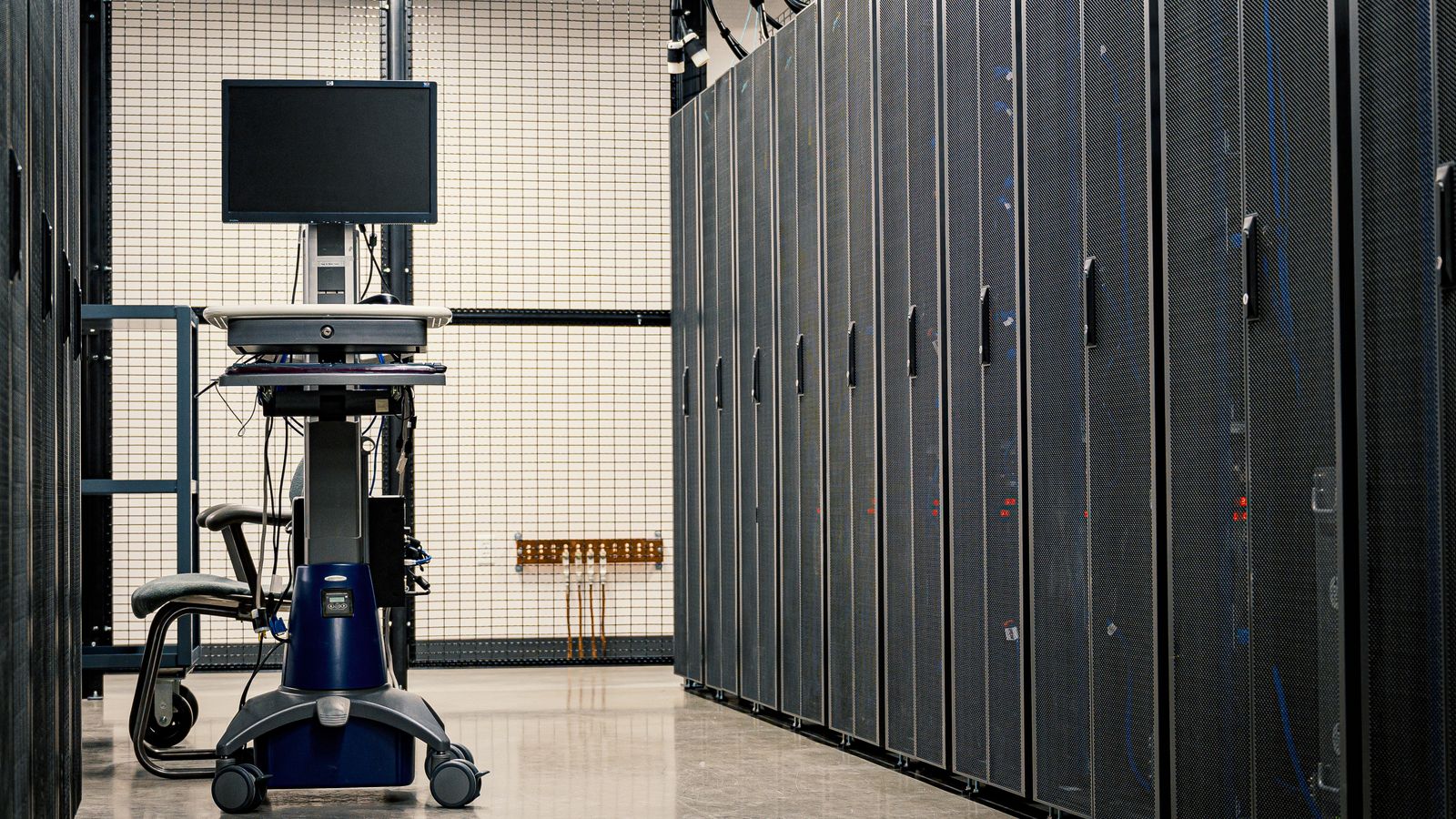
Illustrative stock photograph: Brett Sayles / Pexels. Used under the Pexels License.